


Text size

Continuous care. Connected communities.

Growing older should never mean being forgotten.

EverWell connects older adults, families and healthcare professionals to coordinate the care that continues beyond hospital visits.

  • Consent-based sharing
  • Designed for adults aged 60+
  • Clinician-led oversight
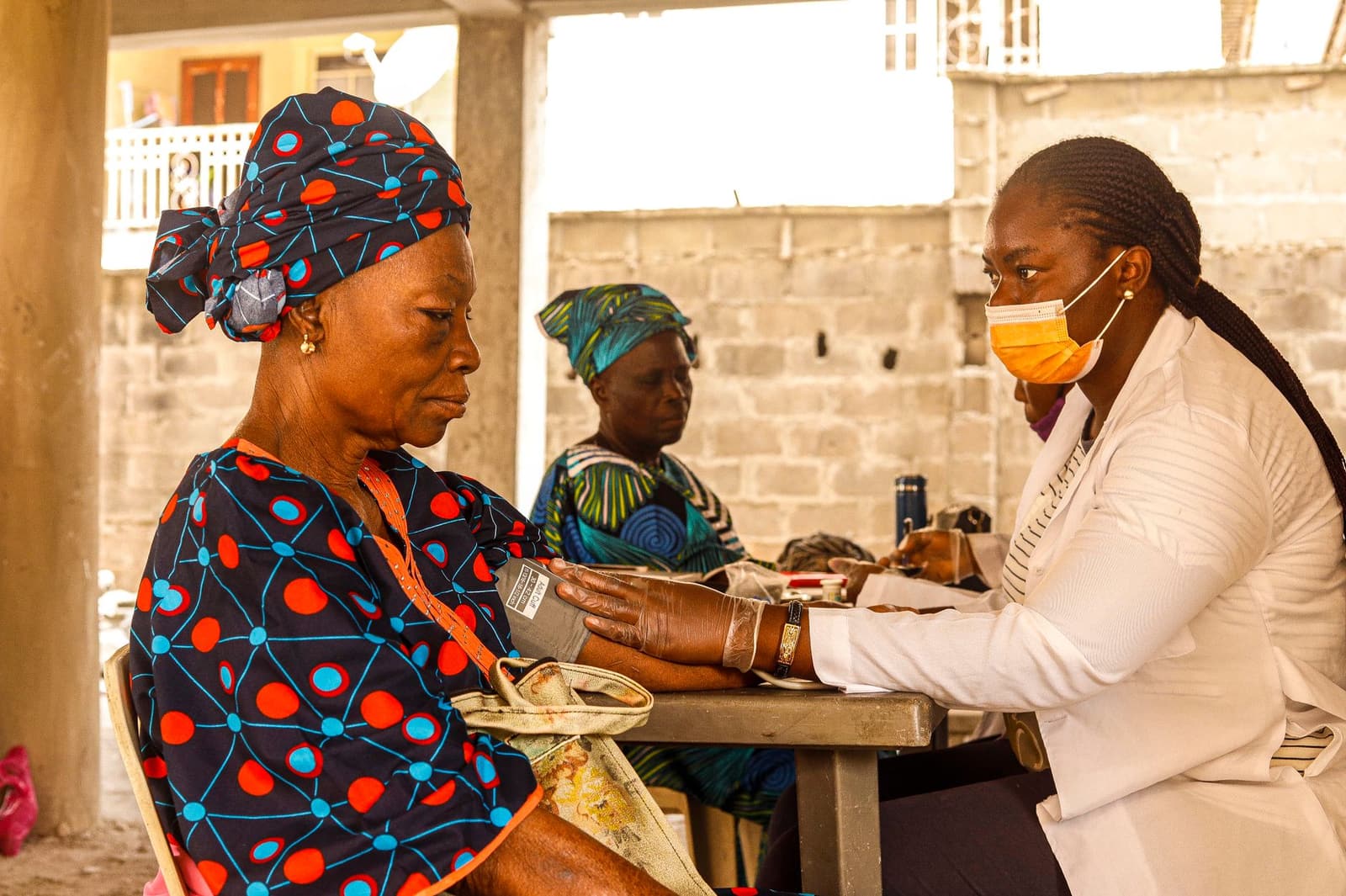
A community health worker checking the blood pressure of an older woman during a home-community visit
Next follow-up

Blood pressure review

Thu 12 Nov · 10:30 · Clinic visit

Caregiver linked

Family member · consent given

Community visit

Assigned for Tuesday

Concept demonstration: interface elements, names and dates are fictional and illustrative. EverWell is not yet a live service.

A connected follow-up system, not a diagnosis tool.

EverWell coordinates the steps that follow a medical visit. It does not diagnose, prescribe or replace the people who treat you.

  • Coordination

    One shared follow-up plan that keeps every visit, reminder and review in view.

  • Consent-based

    Family and community members see only what the older adult has agreed to share.

  • Community-powered

    Community health workers carry follow-up into homes and neighbourhoods.

  • Clinician-led

    Clinical decisions stay with doctors and nurses. EverWell routes concerns to them.

Built for older adults aged 60+, families, community health workers, doctors and nurses

  • Older adults aged 60+
  • Families
  • Community health workers
  • Doctors
  • Nurses

The Care Circle

One circle of care around every older adult.

Everyone who supports an older adult stays connected, and each person sees only what their role needs. Select a person to see how they take part.

Consent

Fictional demonstration, not a live healthcare system.

Older adult

The centre of the circle

Always in control

Responsibilities

  • Decides who joins the circle and what each person may see
  • Goes to appointments and welcomes visits
  • Tells the team how they are feeling

What they can see

  • Their own appointments and plan
  • Visit notes about them
  • Who has viewed their information

Nothing is hidden from the older adult about their own care.

How they use EverWell

Large-type reminders, a plain view of their own plan, and simple consent choices they can change at any time.

ContributesConsent and everyday check-ins

ReceivesReminders and a clear plan

How information and follow-up move

  1. 1

    The older adult consents

    They choose what family and community members may see.

  2. 2

    The doctor sets the plan

    Follow-up tasks and review dates are decided clinically.

  3. 3

    The CHP follows up

    Visits happen near home and notes are recorded.

  4. 4

    Concerns go back to the clinic

    Anything worrying is escalated to a qualified professional.

  5. 5

    Family stays informed

    Only what the older adult agreed to share reaches them.

Family access needs consent. A caregiver sees nothing until the older adult agrees, and can be removed at any time.

EverWell coordinates care. It does not diagnose or prescribe. Qualified healthcare professionals make every clinical decision.

The healthcare problem

Care should not stop when the hospital visit ends.

A clinic visit is one moment in a long journey. What happens afterwards often depends on memory, distance and whoever happens to be nearby.

  1. Missed follow-ups

    Older adults may struggle to remember appointments or return for scheduled reviews.

  2. Fragmented communication

    Families and healthcare teams may lack a coordinated view of follow-up activities.

  3. Limited caregiver coordination

    Family members may not know when an elderly relative needs additional attention.

  4. Delayed attention

    Unreported concerns or missed reviews may delay appropriate clinical assessment.

One connected system for continuous elderly care.

EverWell brings registration, follow-up, family involvement and community support into one shared view, so every step after a clinic visit has an owner.

  • Patient registry

    Organised registration of older adults, basic demographic details, emergency contacts, authorised caregivers and relevant care information.

    Serves: Healthcare teams

  • Follow-up management

    Clinician-defined follow-up schedules, upcoming appointments, completed visits and overdue follow-ups.

    Serves: Doctors and nurses

  • Caregiver connection

    Authorised family members can stay informed and support the elderly person's care journey with appropriate consent.

    Serves: Family caregivers

  • Community care coordination

    Community Health Promoters and authorised healthcare workers can receive assigned follow-up activities and record their outcomes.

    Serves: Community Health Promoters

  • Smart reminders

    Appointment reminders and notifications through appropriate communication channels, including SMS and phone-based communication.

    Serves: Older adults and caregivers

  • Care monitoring

    Authorised healthcare teams can review follow-up completion, overdue activities and reported concerns.

    Serves: Hospitals and care teams

Five steps from clinic visit to continued care.

  1. 01

    Register

    An authorised person registers the older beneficiary, with the appropriate consent recorded before any care information is shared.

  2. 02

    Plan

    A qualified healthcare professional sets the relevant follow-up schedules and instructions for the patient.

  3. 03

    Connect

    The patient can connect an authorised family caregiver, so the people who help them can follow along.

  4. 04

    Coordinate

    Community healthcare workers receive assigned follow-up activities, and reminders are coordinated across the care team.

  5. 05

    Review

    Follow-up outcomes are documented, and any concerning report is escalated to the responsible healthcare team.

A patient journey

Follow Mama Grace, 72, from clinic visit to continued care.

A fictional story that shows how five people and five moments fit together. Select a step to see it.

Wed 4 Nov 2026

Led by: Family caregiver

Her daughter is linked as a caregiver.

Grace approves her daughter Wanjiku as an authorised caregiver. Wanjiku can now see upcoming appointments and whether reminders reached her mother, but not her full record.

Caregiver
Wanjiku (daughter)
Access
Appointments and reminders
Can be removed by
Grace, any time
3 of 5

Mama Grace and her family are fictional characters. Dates are illustrative.

Product preview

See how coordinated follow-up looks.

Illustrative demo data

Interface preview only — not connected to a live medical database.

app.everwell.org · concept demo

Care Coordination Overview

Demo date: Thursday 12 November 2026 · Kenya pilot concept

Search patients3

Registered beneficiaries

248

Upcoming follow-ups

37

Completed follow-ups

112

Overdue follow-ups

9

Pending referrals

14

Awaiting professional review

6

Community visit completion

86%

Active CHPs

12

Priority follow-ups

Sorted by clinical escalation level
  • OOOdhiambo OtienoMissed blood pressure review, 2 reminders unansweredEscalated to Dr. NjorogeUrgent clinician review
  • JMJoseph MutuaCommunity worker reported dizziness at last visitAwaiting clinicianNeeds review
  • GNGrace NjeriMedication-collection reminder due MondayMary WambuiRoutine

Accountability analytics

Illustrative figures · last 6 weeks

Follow-up completion rate

86% this week

Overdue activities by age

  • 1–2 days5
  • 3–7 days3
  • Over 7 days1

Pending community visits

14

scheduled for the next 7 days

Healthcare worker activity

  • Grace Akinyi11/14
  • Peter Mwangi7/11
  • Amina Hassan8/9
  • Daniel Kipkemboi9/12
Patients with follow-up status
Patient nameAgeAssigned healthcare workerNext follow-upStatus
WKWanjiru Kamau72Grace AkinyiThu 12 Nov, 10:30Scheduled
OOOdhiambo Otieno68Peter MwangiWed 11 Nov, 09:00Overdue
HMHalima Mohamed75Amina HassanTue 10 Nov, 14:00Completed
JMJoseph Mutua81Daniel KipkemboiFri 13 Nov, 11:15Needs review
GNGrace Njeri64Mary WambuiMon 16 Nov, 08:30Scheduled
SKSamuel Kiprono70Peter MwangiMon 9 Nov, 13:00Completed
Completed follow-ups per weekLast 6 weeks

Dashed line: illustrative weekly goal of 20.

Completed follow-ups per week
WeekCompleted follow-ups
Week 114
Week 217
Week 315
Week 421
Week 519
Week 624

Follow-up status mix

  • Completed112
  • Upcoming37
  • Overdue9

Clinical escalation pathway

  1. 1Flagged by community worker5
  2. 2With clinician for review2
  3. 3Resolved this week7

Upcoming appointment

Blood pressure review

Thu 12 Nov, 10:30

Wanjiru Kamau · Clinic visit

Recent activity

  • Halima Mohamed follow-up completed by Amina Hassan

    2 hours ago

  • Odhiambo Otieno flagged overdue after missed review

    5 hours ago

  • Caregiver linked to Samuel Kiprono with consent recorded

    Yesterday

  • Joseph Mutua referred for clinician review

    Yesterday

Community worker assignments

  • Grace AkinyiKibera Ward14 patients
  • Peter MwangiKawangware Ward11 patients
  • Amina HassanEastleigh Ward9 patients
  • Daniel KipkemboiKisumu Central12 patients

Swipe sideways to explore the full dashboard.

Caregiver app

The same follow-up, in a family member's pocket.

With the older adult's consent, a linked caregiver sees the next appointment and whether the reminder reached them, and can reach the care team in one tap.

  • Upcoming appointments and reminders
  • Follow-up updates from the community visit
  • Call, message or reach the care team
WK

Caring for

Wanjiru Kamau

On track

Next appointment

Blood pressure review

Thu 12 Nov · 10:30 · Clinic visit

  • SMS reminder confirmedSent Wed 11 Nov, 08:00
  • Medication collectionMon 16 Nov · Clinic pharmacy

Illustrative demo data · access shared with consent

Names, ages, dates and figures are fictional and shown for illustration only.

What the platform coordinates

An older person’s care should not end when their hospital visit ends.

Four areas of coordination, each with a clear owner. These are planned product capabilities shown as interface concepts; none is live, and every name and number is fictional.

EverWell organises and shares information. Decisions about diagnosis, treatment and medication stay with the clinician who made them.

  • Information management

    Health record

    • Conditions and notes entered by the care team
    • Shows who entered each item and when
    • Corrections kept visible, not overwritten
  • Set by a clinician

    Clinician-defined care plan

    • Review dates and follow-up goals
    • Priority level chosen by the clinician
    • Plan changes need a named professional
  • Reminder only

    Medication schedule and reminders

    • Shows what the clinician prescribed, as written
    • Reminds the patient or caregiver at set times
    • EverWell never suggests or changes a dose
  • Stored with consent

    Medical documents

    • Discharge notes, letters and results kept together
    • Opened only by roles Grace has authorised
    • Each view recorded in the activity log
  • Between facilities

    Referral tracking

    • Created → sent → received → seen
    • Highlights referrals with no response
    • Does not assume facilities are connected

Care workspace

Everything about one person’s care, in one place.

Interface demonstrations of the patient profile, caregiver alerts and community visit workflow. Nothing here is connected to real patients or services.

Interface demonstration · fictional data

Mama Grace · 72

Sharing consent given Mon 2 Nov 2026 · Grace can change it at any time

Care timeline

Oldest to newest, with scheduled reviews at the end

  1. Mon 2 NovDone

    Registered with consent

    Registered by a community health promoter

  2. Tue 3 NovDone

    Follow-up plan set

    Blood pressure review planned by the clinic nurse

  3. Wed 4 NovDone

    Caregiver linked

    Wanjiku (daughter) approved by Grace

  4. Tue 10 NovDone

    Community visit completed

    Outcome: feeling well, no concerns raised

  5. Thu 12 Nov · 10:30Today

    Clinic review

    Blood pressure review with the clinic nurse

  6. Tue 17 NovScheduled

    Community visit scheduled

    Home visit by Grace Akinyi

  7. Thu 3 DecScheduled

    Follow-up review scheduled

    Date set by the responsible clinician

Emergency contacts

  • Wanjiku (daughter)

    Primary emergency contact · linked caregiver

    +254 700 000 001 (demo)

  • Peter (son)

    Second emergency contact

    +254 700 000 002 (demo)

Shown only to roles authorised by Grace.

Responsible healthcare team

  • Dr. Njoroge

    Responsible clinician

  • Clinic nurse

    Follow-up plan owner · Demo Community Clinic

  • Grace Akinyi

    Community Health Promoter · Kibera Ward

Solutions by role

One coordinated system, five ways of caring.

An older man smiling while reading his appointment information at home

Reminder: Clinic visit Thursday

For older adults

Care that keeps you connected.

Simple reminders, clear appointment information and practical help keep your follow-up visits in view, so you can manage your own care with confidence.

  • Gentle reminders before every scheduled review
  • Appointment details written in plain language
  • Help from a trusted person whenever you ask for it
A family member sitting beside an older relative, sharing a warm conversation at home

Caregiver view

For families

Stay connected to the people who matter.

Authorised caregivers can see follow-up activity for the relative they support, with the consent of the older adult, so nobody has to guess when attention is needed.

  • Caregiver connections approved by the older adult
  • Visibility of upcoming and completed follow-ups
  • Notice when a visit is missed or needs attention
A community health worker checking the blood pressure of an older woman during a home visit

Today's visits: 4

For community health workers

Bring organised follow-up into the community.

Assigned home and community visits sit in one organised schedule, with records that carry from each visit to the next and reports that show what was done.

  • Visits assigned and sequenced for each working day
  • Follow-up records captured during every visit
  • Summary reporting shared with the care team
A clinician reviewing a patient follow-up plan with a colleague in a clinic

Escalations: 2 need review

For healthcare professionals

Make continuity of care easier to coordinate.

Clinicians set follow-up plans, review monitoring information and escalate concerns to the right people, while clinical decisions stay with the professional.

  • Follow-up plans defined for each patient
  • Monitoring information gathered in one view
  • Escalation workflows routed to authorised clinicians

For healthcare administrators

See where follow-up is working, and where it is not.

Administrators manage assignments and review team workload and gaps, without opening clinical detail they have no need to see.

  • Assign beneficiaries to promoters and balance workload
  • Review overdue follow-ups and pending referrals
  • Manage who holds which role
  • Read the activity log and export administrative reports
  • See the dashboard preview above for an illustrative view.

Key platform capabilities.

EverWell gives families, community health workers and clinicians one shared follow-up record, so the care plan keeps moving after the hospital visit ends.

Join the interest list
  • Follow-up scheduling

    Plan review dates after each visit, set by the clinical team.

  • Missed-appointment identification

    Flag reviews that were not attended so someone can follow up.

  • Reminder coordination (SMS and phone-based)

    Send reminders by SMS or phone to the patient and their linked caregiver.

  • Community follow-up assignments

    Assign home-community visits to trained community health workers.

  • Escalation to authorised healthcare professionals

    Route concerns to an authorised clinician with the relevant context attached.

  • Follow-up reporting

    Give care teams a clear record of what was completed and what is still outstanding.

Coordination support only — EverWell does not diagnose, prescribe or replace doctors.

AI-assisted coordination · proposed

Administrative help for busy teams. People make the decisions.

AI is a proposed back-office assistant for tidying and summarising coordination work. It is a concept: none of it is built or running today.

Status: proposed, not implemented

What it could help with

  • Identify overdue follow-ups for staff to act on
  • Summarise a week of care coordination activity
  • Highlight incomplete records
  • Help staff organise pending tasks
  • Draft administrative reports for review

Human review required

Every AI-prepared summary or list is a draft. A named staff member reviews and approves it before anything is acted on, and that approval is recorded in the activity log.

What AI will never do

  • Diagnose any condition
  • Prescribe or change medication
  • Make or change a clinical decision
  • Contact patients or families without a person approving it

Global vision

Building a world where no generation is forgotten.

EverWell is a globally relevant healthcare coordination concept that begins with Kenya. Our ambition is to support communities with accessible, coordinated elderly care, wherever people grow older and whoever is looking after them.

Our language is inclusive by design: it speaks to older adults with dignity, to families with clarity, and to health workers with respect for the work they already do.

Connection network with Kenya as the starting pointA dotted abstract world with Kenya highlighted as the starting point, linked to community nodes. Dashed outlines mark future communities.Kenya — where we beginFuture communitiesFuture communitiesFuture communities

Illustrative network. Node positions are not geographic data.

A group of community members gathered together in a shared local setting
Community life at the centre of how EverWell is being designed.
  1. Start in Kenya

    We begin where the need is immediate: local clinics, community health workers and families who already carry the follow-up work.

  2. Design for any community

    The model is built to adapt to different health systems, languages and levels of connectivity, so it can travel without losing its purpose.

  3. Include every generation

    Older adults are capable decision-makers. Our messaging and interfaces are written to be clear, respectful and usable at every age.

Designed to adapt, not yet adapted

  • Languages

    English and a draft Kiswahili today; more local languages planned.

  • Health systems

    Care plans and referrals should fit different national systems.

  • Facility links

    Connections to facility records are a future goal. None exist now.

  • Regional privacy

    Consent and data rules will be reviewed for each region before launch there.

EverWell is an early-stage concept. We are not yet operating internationally.

Languages

Everyone chooses their own language.

Each person connected to an older adult keeps their own language setting. Changing yours never changes anyone else’s. The preview below is a concept; the choices are saved only in this browser.

Language per person, for one patient

  • Mama Grace

    Older adult

    Miadi yako ya ufuatiliaji imepangwa kufanyika kesho.

    Tarehe na saa:
    …
    Nambari:
    …
  • Wanjiku

    Family caregiver

    Your follow-up appointment is scheduled for tomorrow.

    Date and time:
    …
    Number:
    …
  • Grace Akinyi

    Community Health Promoter

    Miadi yako ya ufuatiliaji imepangwa kufanyika kesho.

    Tarehe na saa:
    …
    Nambari:
    …
  • Nurse Achieng

    Healthcare professional

    Your follow-up appointment is scheduled for tomorrow.

    Date and time:
    …
    Number:
    …
  • Clinic administrator

    Administrator

    Your follow-up appointment is scheduled for tomorrow.

    Date and time:
    …
    Number:
    …

Notifications follow each recipient’s own saved language. Mama Grace can read Kiswahili while her daughter reads English, and neither choice changes the website language you picked. Arabic switches the page to right-to-left reading.

Translation status

No language except English is presented as complete or approved. Every translation here is a draft.

LanguageWhat is translatedStatus
English · EnglishWhole page (source language)Source text
Kiswahili · SwahiliNavigation, hero, audiences, footer, language section, Care workspaceDraft, awaiting review
Français · FrenchNavigation, hero, audiences, footer, language sectionDraft, awaiting review
Español · SpanishNavigation, hero, audiences, footer, language sectionDraft, awaiting review
العربية · ArabicNavigation, hero, audiences, footer, language sectionDraft, awaiting review
Deutsch · GermanNavigation, hero, audiences, footer, language sectionDraft, awaiting review
Português · PortugueseNavigation, hero, audiences, footer, language sectionDraft, awaiting review
हिन्दी · HindiNavigation, hero, audiences, footer, language sectionDraft, awaiting review

How healthcare wording would be approved

  1. The clinician’s original record is never edited.
  2. A translation is drafted for the care plan, medicine or instruction.
  3. A qualified reviewer who speaks the language approves or corrects it.
  4. Only the approved version is shown to the family, beside the original.

This review workflow is a design concept. It is not built, and no medical content is translated on this website.

English

Healthcare coordination begins with trust.

EverWell is built on principles that protect the dignity, privacy and autonomy of older adults and the people who support them. These are intended design principles that guide how the platform is being built.

You decide who sees it

Nothing is shared with a caregiver until the older adult agrees, and consent can be withdrawn at any time.

Everyone sees only their part

Role-based access limits each person to what their role needs.

Professionals stay in charge

Qualified clinicians remain responsible for every clinical decision and escalation.

Who can see what Intended design, illustrative
RoleAppointmentsRemindersVisit notesClinical plan
Older adult
Family caregiver (with consent)
Community Health Promoter
Healthcare professional
  1. Patient consent

    Older adults decide who may see their information and can change that choice at any time.

  2. Role-based access

    Each person sees only the information their role needs, whether family, community worker or clinician.

  3. Data minimisation

    Only the details needed for follow-up are recorded, and nothing beyond that purpose is collected.

  4. Secure information handling

    Health information is designed to be stored and transmitted with appropriate safeguards at every step.

  5. Auditability

    Access to records and changes to follow-up plans are designed to leave a traceable history.

  6. Responsible access to medical information

    Clinical details are shared only with people authorised to act on them, in a form suited to their role.

  7. Healthcare professional oversight

    Qualified healthcare professionals remain responsible for every clinical decision and escalation.

  8. What EverWell is not

    EverWell is coordination, not clinical diagnosis.

    It does not diagnose diseases, prescribe medication or replace doctors.

These principles describe intended design. EverWell does not claim any certification or accreditation at this stage.

Accounts, staff and settings

One calm place to manage your account, your team and your preferences.

Try it as any of the eight roles. Theme, text size, language, notification choices and dashboard layout genuinely work and are remembered. Staff management and role views are an interactive demonstration only: there are no accounts, no stored people and no live facility behind them.

Manages staff and assignments for one facility.

Demonstration role, not a sign-in

My dashboard

Reorder or hide panels. Your layout is remembered on this device.

Layout saved in this browser
  • Upcoming appointments

    • Clinic follow-up · Thu 12 Nov 2026
    • Community visit · Tue 17 Nov 2026
  • Recent activity

    • Care plan viewed
    • Visit note added by a linked caregiver
  • My shortcuts

    • Record a visit
    • View care timeline
    • Contact care team

Contents are fictional samples. Older adults get this simple fixed view without configuration options. Staff dashboards would add workload and review queues for their role.

What works and what is a demonstration

  • Light, dark and system themeWorkingWorks now and is remembered on this device.
  • Text size, contrast, languageWorkingWorks now. Language covers the translated parts of the page only.
  • Notification preferences, dashboard layoutWorkingChoices are saved in this browser.
  • Support request formWorkingReaches the EverWell team. It is not for patient information.
  • Staff registration and permissionsDemonstrationInteractive in this session only. Nothing is stored and no invitation is sent.
  • Role-based viewsDemonstrationShows what each role would see. Not enforced, because there are no accounts yet.
  • Sign-in, sessions, audit logs, recoveryPlannedDesigned and described here. Not built.
  • SMS and email deliveryPlannedOptions are prepared. No messaging service is connected.

Previewing as Facility Administrator. EverWell is a concept demonstration and not yet a live service.

Caregiver Learning Centre

Plain-language guides for families and older adults.

General health education, grounded in World Health Organization guidance where a source exists. It does not diagnose, prescribe or replace a doctor, nurse or pharmacist. Available in English; Kiswahili versions are in the Health Guide.

Healthy ageing and common conditions

Healthy ageing

Healthy ageing is about keeping the ability to do the things that matter to you for as long as possible. In general, it involves:

Read the full guide
  1. Regular, enjoyable physical activity.
  2. A balanced diet and enough fluids.
  3. Regular check-ups, including blood pressure and blood sugar checks.
  4. Taking prescribed medicines as directed and having them reviewed.
  5. Staying socially connected and keeping the mind active.
  6. Avoiding tobacco and limiting alcohol.

A clinician can advise on what suits your own health.

Understanding hypertension

Hypertension means blood pressure that stays too high over time. It often has no symptoms, which is why regular measurement matters.

Read the full guide

Untreated, it can raise the risk of stroke, heart disease and kidney problems. A health worker can measure blood pressure, and only a clinician can say whether a person has hypertension and how to manage it.

General lifestyle steps that help many people: eat less salt, stay active, avoid tobacco, limit alcohol, and keep regular check-ups. Never stop or change blood pressure medicine without speaking to your clinician.

Understanding diabetes

Diabetes is a long-term condition where the body cannot make or use insulin well, so blood sugar stays too high. Over time this can affect the heart, kidneys, eyes, nerves and feet.

Read the full guide

General points: balanced meals, regular activity, regular check-ups, and attention to eye and foot care. Testing, diagnosis and treatment must be done by a clinician.

Nutrition for older adults

A balanced diet for an older adult generally includes:

Read the full guide
  1. Vegetables and fruit every day.
  2. Whole grains, beans and lentils.
  3. Some protein, such as fish, eggs, milk products or pulses.
  4. Less salt, sugar and fried or heavily processed food.

WHO suggests keeping salt below 5 grams a day. If appetite is poor, weight is changing, or a condition such as diabetes or kidney disease needs a special diet, ask a clinician or nutritionist.

Hydration for older adults

Hydration matters for older adults because the sense of thirst can weaken with age, so a person may not feel thirsty even when they need fluids. Not drinking enough can contribute to tiredness, dizziness, confusion, constipation and urinary problems.

Read the full guide

General tips:

  1. Offer small drinks regularly through the day instead of waiting for thirst.
  2. Keep a drink within easy reach.
  3. Water, soups and fruit all help.

Some conditions, such as heart or kidney disease, may limit fluids. Ask the clinician how much is right for the person. This is general guidance, not personal advice.

No reviewed source is linked for this guide. It is general guidance; please confirm with a health professional.

Mobility and physical activity

Staying active protects mobility, mood and independence. WHO guidance for adults aged 65 and over suggests, where health allows:

Read the full guide
  1. Moderate activity such as brisk walking, for 150 to 300 minutes spread across the week.
  2. Muscle-strengthening activities on 2 or more days.
  3. Balance exercises on 3 or more days to help prevent falls.

Start gently and build up. People with heart conditions, joint problems or recent illness should ask their clinician what is safe.

Medication safety awareness

Why medication adherence matters

Following the instructions a clinician gave matters because medicines only work as intended when taken as directed. Skipping or stopping medicine early can let a condition get worse, and taking extra can be harmful.

Read the full guide

If taking medicine is hard because of side effects, cost or confusion, do not quietly change it. Tell the prescriber or pharmacist so they can help. If a dose is missed, ask the pharmacist what to do for that specific medicine.

Why medication reviews help

Medication reviews matter because older adults often take several medicines, and needs change over time. A review by a doctor or pharmacist can check that each medicine is still needed, look for interactions and side effects, and simplify the routine.

Read the full guide

Tip: bring all medicines, including herbal products, to the review.

Remembering medicines

General ways to help remember medicines:

Read the full guide
  1. Link them to a daily habit, such as breakfast.
  2. Use a weekly pill organiser, filled with help from the pharmacist or a caregiver.
  3. Set phone or alarm reminders.
  4. Keep a simple written list of what is taken and when.
  5. Bring the list to every appointment.

Ask the pharmacist before changing how medicines are organised.

Family caregiving

Supporting an older family member

Ways to support an older family member:

Read the full guide
  1. Ask what matters to them and involve them in decisions.
  2. Help with appointments, medicines lists and transport.
  3. Encourage regular meals, drinks and gentle activity.
  4. Make the home safer (lighting, clear floors, non-slip mats).
  5. Keep in touch, since loneliness affects health.
  6. Notice changes and tell a health worker.

Look after your own wellbeing too. Caregiving can be tiring.

Caregiver responsibilities

A family caregiver typically helps with:

Read the full guide
  1. Reminders and getting to appointments.
  2. Daily needs such as meals, drinks, hygiene and mobility, as needed.
  3. Noticing changes and passing them to a health worker.
  4. Respecting the older adult's privacy and choices.

Caregivers support care. They are not expected to diagnose, adjust medicines or make clinical decisions. In EverWell, a caregiver's access is only what the older adult consents to.

Supporting an older adult living alone

When an older adult lives alone, small routines make a big difference:

Read the full guide
  1. Agree a regular check-in, such as a daily call or a visit from a neighbour, relative or Community Health Promoter.
  2. Keep important phone numbers large, written and near the phone.
  3. Make sure food, clean water and medicines are easy to reach.
  4. Make the home safer to reduce falls.
  5. Stay alert to changes in eating, sleep, mood or memory and tell a health worker.

Always involve the older adult in these choices. Independence and dignity matter.

Making the home safer

To lower the risk of falls at home:

Read the full guide
  1. Keep floors clear and well lit, especially paths to the toilet at night.
  2. Fix loose rugs and use non-slip mats in the bathroom.
  3. Encourage balance and strength exercise.
  4. Check that shoes fit well and grip.
  5. Ask a clinician to review eyesight and medicines if falls happen.

After a serious fall, with head injury, severe pain or inability to stand, seek medical help right away.

Caregiver stress and burnout

Caring for someone is rewarding and can also be exhausting. Signs of strain include constant tiredness, feeling irritable or hopeless, poor sleep, and pulling away from friends.

Read the full guide

General ways to protect yourself:

  1. Share tasks with other relatives, neighbours or community health workers.
  2. Take short breaks and keep some time for yourself.
  3. Keep eating, resting and moving as well as you can.
  4. Talk to someone you trust, or to a health worker, about how you feel.

Needing help is not failure. If you feel unable to cope, or have thoughts of harming yourself, please contact a health professional or emergency services now.

Appointments and follow-up

Preparing for a medical visit

To prepare for a medical visit:

Read the full guide
  1. Write down your main concerns and any changes since the last visit.
  2. Bring a list of all medicines and supplements.
  3. Bring any previous reports or the follow-up note.
  4. Ask a family member to come along if you would like support.
  5. During the visit, ask: What is the problem? What should I do? When should I return? Who do I call if it gets worse?
  6. Write down the answers before you leave.

No reviewed source is linked for this guide. It is general guidance; please confirm with a health professional.

Why follow-up appointments matter

Follow-up appointments let a clinician see how someone is recovering, check that treatment is working and catch problems early. For long-term conditions, regular follow-up is how care stays on track. Missing them is one of the common ways older adults lose contact with care.

Read the full guide

If an appointment is missed, contact the clinic soon and rebook rather than waiting for symptoms.

Helping someone attend appointments

Families can help older adults attend appointments by:

Read the full guide
  1. Keeping the date on a calendar and sending a reminder the day before.
  2. Arranging transport or accompanying them.
  3. Helping prepare questions and medicine lists.
  4. Contacting the clinic quickly to rebook if a visit is missed.

Always respect the older adult's wishes about who is involved.

No reviewed source is linked for this guide. It is general guidance; please confirm with a health professional.

Source dates are the “last updated” dates shown on each source page when checked on 8 Nov 2026; open the link for the current version. This material was written for a concept demonstration and has not yet been clinically reviewed. Always consult a qualified healthcare professional for medical decisions.

Questions, answered plainly.

Still curious? Get in touch

01What is EverWell?

EverWell is a digital healthcare coordination platform. It helps make sure older adults receive continuous attention after a medical visit by connecting patients, authorised family caregivers, community healthcare workers and healthcare professionals in one coordinated follow-up system.

02Who can register?

Older adults aged 60 and above can register, and so can the family members and community health promoters they choose to involve. Doctors, nurses and healthcare organisations can join to coordinate follow-up. Every connection is set up with the consent of the person receiving care.

03Why is the platform designed for people aged 60 and above?

Follow-up needs often grow with age, and so do the barriers: remembering appointments, travelling to clinics and keeping track of several providers. EverWell is designed around those realities, with clear reminders and simple screens, so that older adults remain in charge of their own care.

04Can family members support an elderly relative?

Yes. A relative can be invited as an authorised caregiver to see upcoming follow-ups and receive reminders, with access limited to what the older adult agrees to share. The aim is to help families stay informed and involved without taking decisions away from the person themselves.

05How do community healthcare workers participate?

Community healthcare workers receive follow-up assignments, such as a home or community visit, and can record the outcome so the care team has an up-to-date picture. When a concern needs clinical attention, they can escalate it to an authorised healthcare professional.

06Does EverWell replace hospitals or doctors?

No. EverWell coordinates care; it does not diagnose, prescribe or replace doctors and nurses. Clinical decisions remain with qualified healthcare professionals, and the platform helps make sure those decisions are followed up on time.

07How is personal health information protected?

Protection is built into the design. Information is shared only with consent; access is role-based, so each person sees only what their role requires; we collect only the data needed for follow-up; data is handled through secure storage and transmission; and access is logged so it can be reviewed. We do not claim any certification at this stage.

08Is EverWell an emergency service? Does it use AI?

No. EverWell is not an emergency response service. In an emergency, contact local emergency services or go to the nearest health facility. AI is only a proposed administrative helper for staff; it will never diagnose, prescribe or make clinical decisions, and a person reviews anything it prepares. Voice assistance is a future idea and is not available.

09Can EverWell support communities outside Kenya?

The concept is designed for global relevance, since ageing populations and fragmented follow-up care exist in many places. EverWell is starting in Kenya and is not yet operating in any other country.

Join the movement

Let's make sure no elderly person is left behind.

Join us in building a future where every older adult receives the continued attention, dignity and care they deserve.

  • Tell us who you are and how you would like to take part
  • We contact you about early conversations and partnerships
  • No account is created and no health information is collected

Register your interest

Tell us a little about yourself. We will use these details only to respond to your interest.

= required

By sending this form you agree that EverWell may contact you about this interest.

Built with